What Homeowners Actually Report

Real feedback from people who have hired roofing contractors and gone through inspections, repairs, and emergency situations. What they found helpful, what surprised them, and what they wish they'd known earlier.

What People Actually Report

I was dreading the cost and hassle of a roof inspection, but it turned out to be one of the most valuable investments we made as a property manager. The inspector found three things we'd completely missed—a compromised seal around a vent, early shingle curling on the south side, and improper drainage. All three were fixable before they became expensive problems. It's no longer something I dread; it's something I schedule annually.

Jennifer, Property Manager (5 buildings)
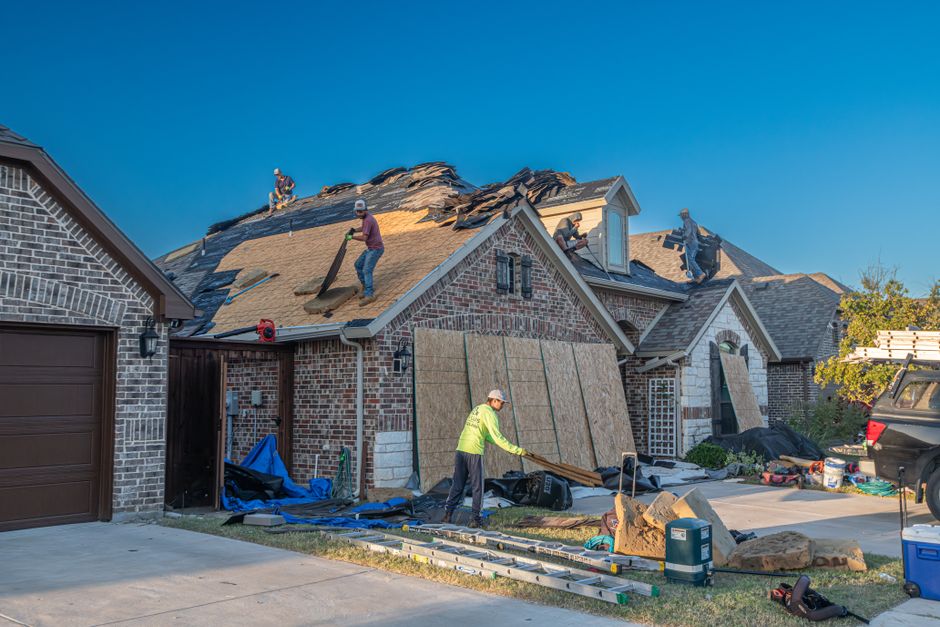
Residential roof during professional inspection showing various roofing materials and structural features
A professional inspection isn't about finding problems to sell you more work—it's about understanding what you actually have. When inspectors find issues early, you get to choose the timeline and approach rather than respond in crisis mode.

The Spread of Responses

When we surveyed property managers and homeowners about their roofing experiences, their satisfaction varied significantly by the type of service and relationship they had with their contractor:

92%
Of people who had a pre-existing relationship with a roofing contractor felt confident in their recommendation when problems arose. They knew what to expect.
64%
Of those who called a contractor they'd never used before reported at least one moment during the process where they felt uncertain about what was happening or why something cost what it did.
78%
Of homeowners said that having a detailed written inspection report (not just a verbal description) changed how they understood their roof and made decisions about repair timing.
3–5 days
The typical delay when emergency repairs aren't handled the same day. Water damage that starts small can spread significantly in this window.

Patterns Worth Noting

A few patterns keep showing up across dozens of conversations with property managers and homeowners:

Responsiveness matters more than you'd expect. The actual quality of the roofing work is important, but contractors who return calls quickly and explain what they're doing as they go seem to leave people significantly more satisfied. Speed of response in emergencies often determines how much collateral damage happens.

The written inspection report changes the conversation. People feel empowered when they get a detailed report instead of just a phone call summary. They can share it with contractors for second opinions, use it for insurance claims, or simply refer back to it when questions come up.

Warranty and guarantees matter, but are often overlooked. Many people reported only asking about warranty after the work was done, when the contractor could name whatever terms they wanted. Discussing guarantees upfront—both on materials and labor—prevents later misunderstandings.
Compared Side by Side

When evaluating roofing contractors, these are the categories where people notice the biggest differences:

Factor Budget/Quick Contractor Established Professional Difference It Makes
Initial Contact Return call within 1–2 days; minimal questions asked Return call same day; asks about property details, previous work, timeline Professionals are learning about your situation upfront so they can diagnose accurately
On-Site Visit 15–20 min walk-around; verbal summary offered 45–60 min detailed inspection; written report provided within 24 hours You actually know what you're paying for; you get documentation for insurance/records
Problem Communication Focuses on problems you called about; may miss developing issues Explains current issues AND points out developing problems you can monitor You can plan ahead instead of getting surprised by emergency situations later
Warranty Often verbal; unclear terms; no written guarantee Written warranty on materials and labor; clear coverage and duration Protection if work fails. Without it, you're paying twice if the repair doesn't hold
Follow-Up Rare; usually only if you complain Check-in during warranty period; notes any issues for future reference Patterns emerge that help prevent similar issues at other properties

The Caveats

No roofing situation is simple. Here's what people often learn the hard way:

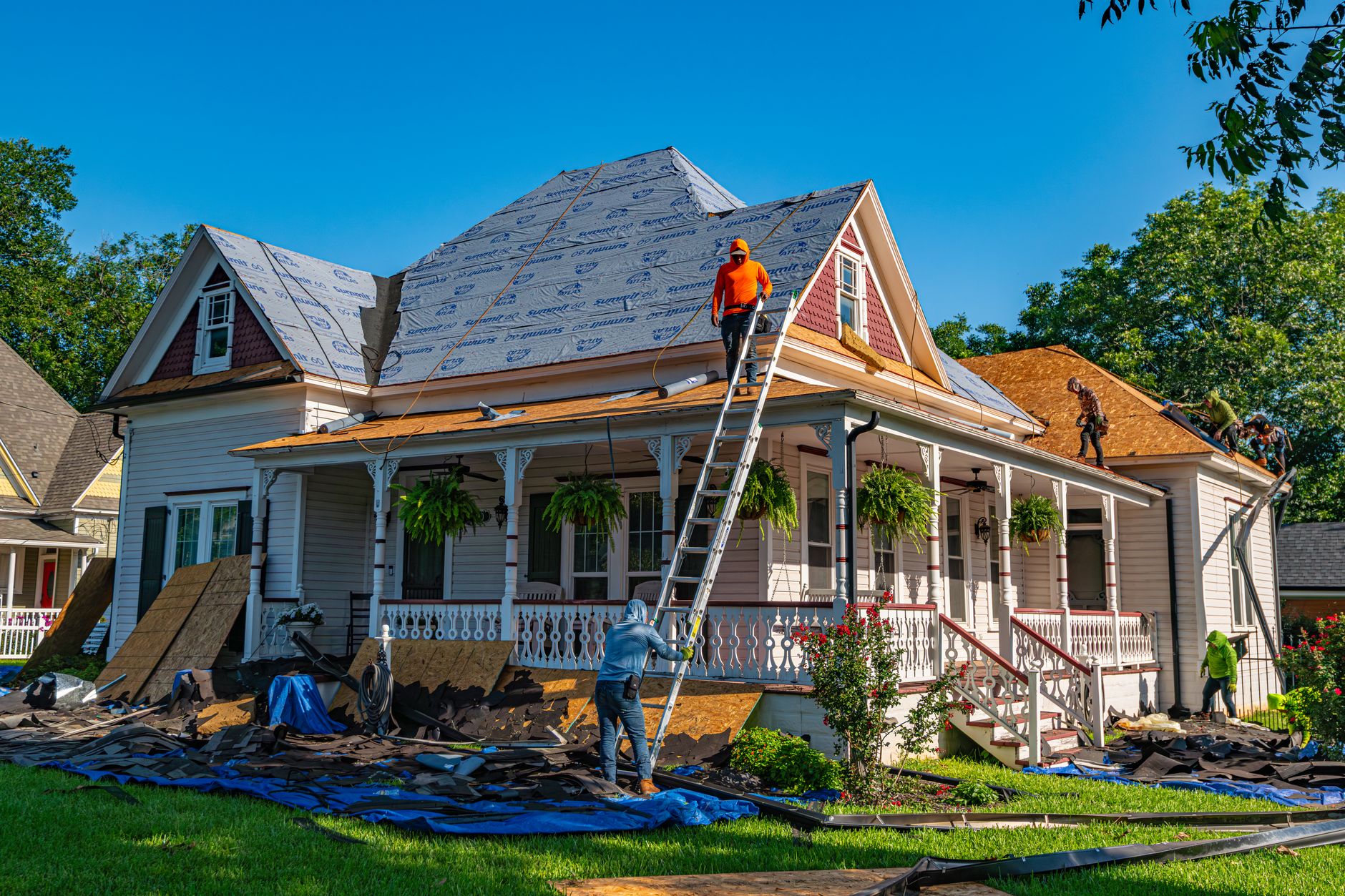
Roofing contractor in safety gear working on residential roof repair
Professional roofing work requires safety equipment, insurance, and skill. Contractors who cut corners on these three things are cutting corners on quality. If someone seems too cheap to be believable, they probably are.

First, timing matters enormously. A small roof problem in September is manageable. The same problem discovered in November after the first heavy rain can spiral into water damage inside the house. Getting annual inspections isn't paranoid—it's the difference between controlled maintenance and emergency response.

Second, contractor quality has huge variation. Two contractors can quote the same job at 2:1 price difference, and the cheaper one isn't always cutting corners on materials—sometimes they're just less experienced or have lower overhead. But sometimes they are cutting corners. This is where references and detailed inspections matter.

Third, insurance claims require documentation. If storm damage happens and you want insurance to cover it, you'll need photos before repair and documentation of what happened. A professional inspector's report from just before the storm can be the difference between a claim that's honored and one that's questioned.