Understanding Roofing Materials
Roofing materials are not all equal. Each type comes with different costs, lifespans, and performance in your local climate. Knowing the difference helps you make choices that fit your property and your budget.
As a property manager or homeowner, you'll encounter three main material families. Each has strengths and trade-offs. The material you choose matters as much as the contractor who installs it.
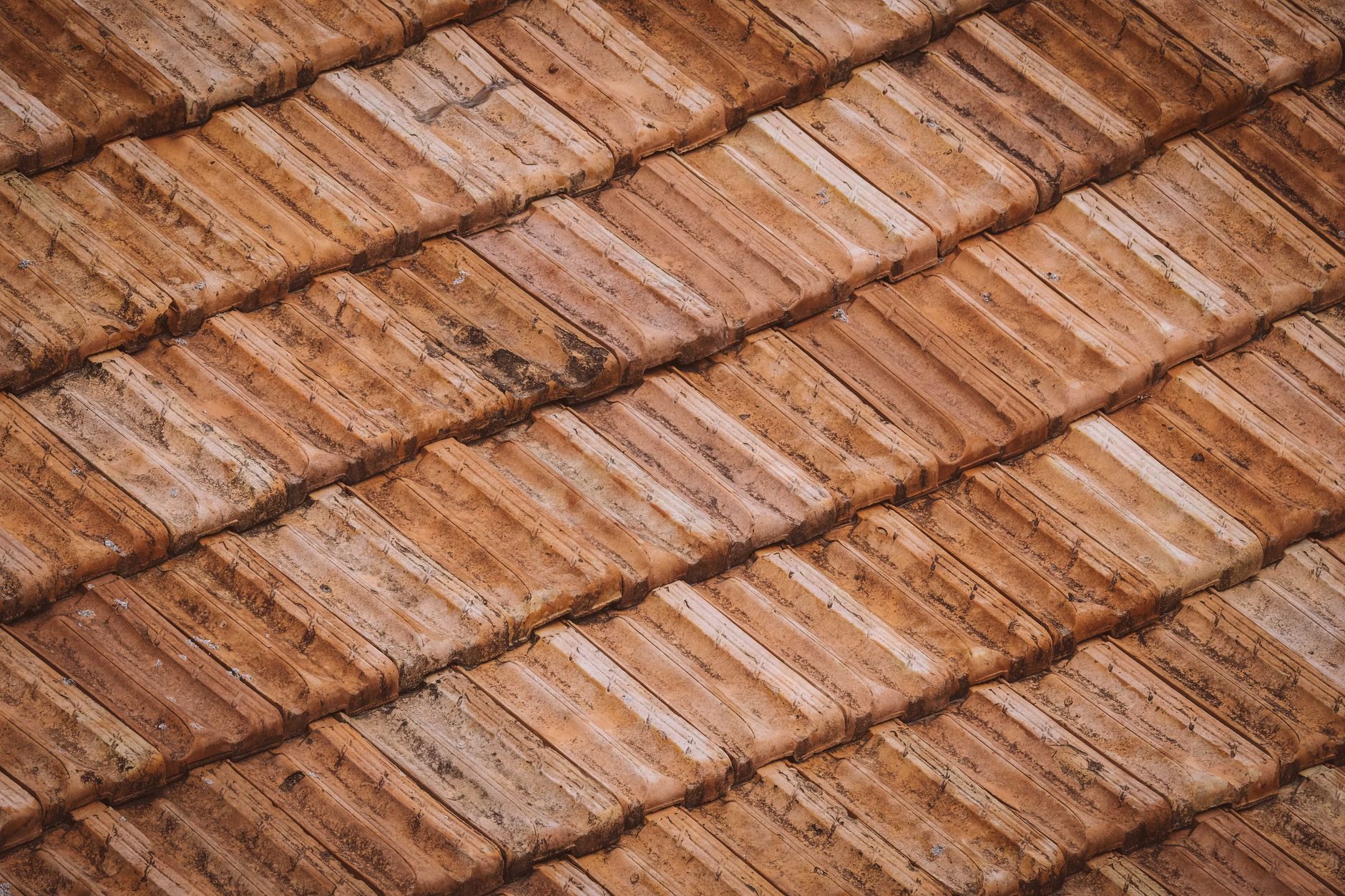
What Materials Look Like in the Field
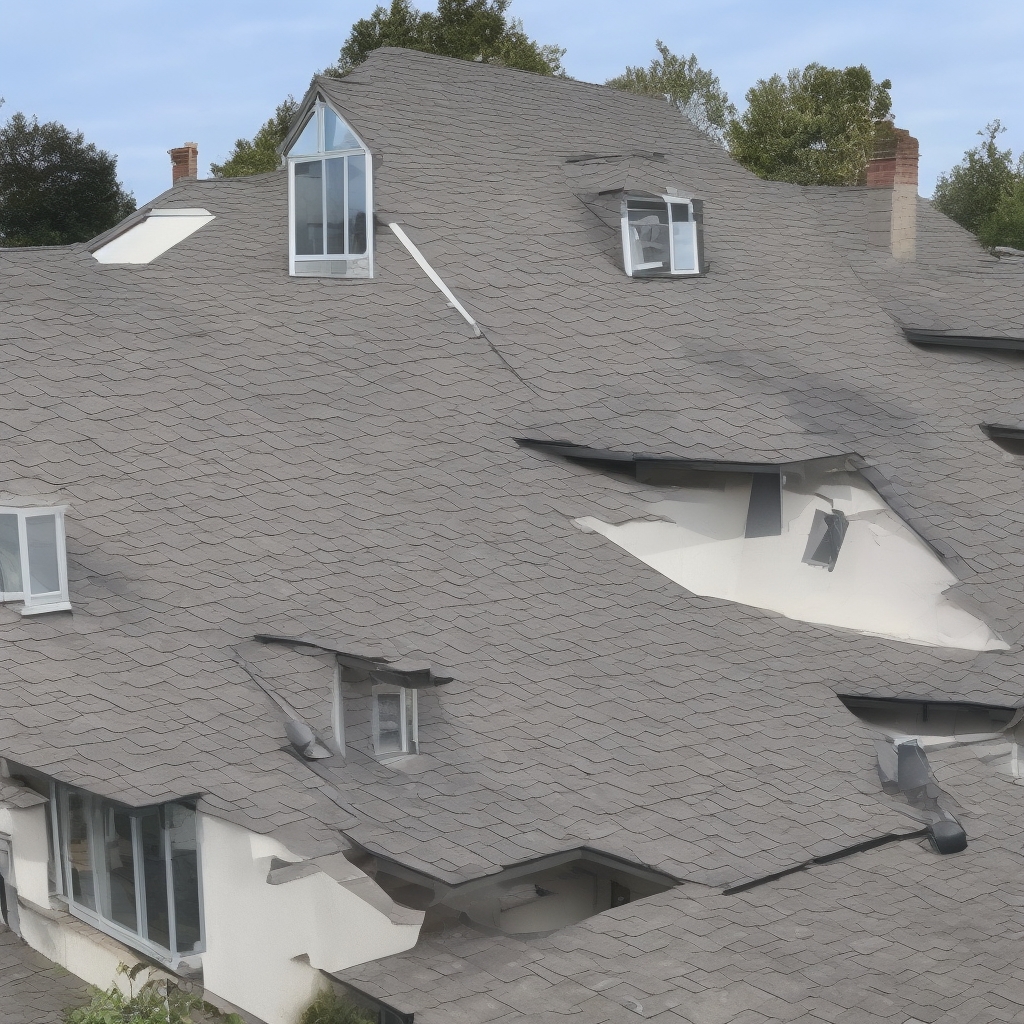
The Three Material Categories
Pitched and flat roofs divide the work, but the materials form three families. This is how they sit against each other:
| Material Type | Common Lifespan | Typical Cost per Square | Best For |
|---|---|---|---|
| Asphalt Shingles | 15–25 years | $100–$200 | Pitched residential roofs in most climates |
| Metal Roofing | 40–70 years | $300–$500 | Long-term durability in extreme weather or coastal areas |
| Flat Membrane | 20–30 years | $150–$250 | Flat or low-slope roofs on commercial and multi-unit properties |
| Wood Shakes | 20–40 years | $400–$800 | High-end residential where appearance and natural material matter |
| Slate Tiles | 50–100+ years | $500–$1,000+ | Historic properties or when durability over a century is the goal |
| Cost per square (100 square feet) includes material only. Installation, removal of existing material, and repairs to substrate are billed separately. Lifespan assumes normal maintenance and climate exposure. | |||
Choosing the Right Material for Your Situation
The best material is the one that balances cost, durability, and the weather your property faces. That decision is personal, but here's what matters:
- Climate. A material that works in Denver fails in New Orleans. Wind, snow load, UV exposure, and humidity all affect which material survives longest.
- Property type. A pitched residential roof, a flat commercial building, and a historic renovation each have different options.
- Budget. Upfront cost is real. So is long-term cost. A cheaper material that needs replacement sooner can cost more in the end.
- Resale value. Some materials are expected on certain property types in your market. That matters when you sell.
- Maintenance. Some materials need annual inspection or cleaning. Others need almost none. Be honest about what you'll do.
Detail Makes the Difference